Introduction: What Is Proofing and Why Does It Matter? Proofing is the process of reviewing and verifying print materials before bulk production begins. It allows you to catch errors, confirm color accuracy, and ensure the final product meets your expectations. Whether you’re printing business cards or full-color coffee table books, proofing is an essential step that protects your investment and brand reputation.
In professional book and commercial printing, proofing typically involves reviewing a sample that closely represents the final output. This sample may be digital, physical, or a combination of both. The goal is to identify discrepancies in color, typography, layout, and paper quality before committing to a full print run.
5 Types of Proofing Explained 1. PDF Proof (Soft Proof) A PDF proof’also known as a soft proof–is a digital version of your print file, typically generated in PDF/X or PDF/A format. It is viewed on a calibrated monitor and simulates how the final printed piece will look, including colors, images, and layout.
Key features:
Pre-flight checks ensure file compatibility and print readiness Color simulation provides approximate color representation Collaborative review enables real-time feedback from designers, clients, and printers Instant updates when design changes are made PDF proofs are the most cost-effective and efficient option for projects with tight timelines. They are ideal for iterative design reviews and allow multiple stakeholders to provide feedback remotely.
2. Hard Proof A hard proof is a physical printout produced on the same or similar equipment that will be used for the final print run. Hard proofs provide the highest level of accuracy in terms of color reproduction, paper feel, and finishing quality.
Key features:
GMG or Epson certified color calibration for precision matching Up to 95% color accuracy compared to final output Actual paper stock and finishing options visible and tangible Essential for brand-critical projects where color consistency is non-negotiable Hard proofs are recommended for projects where color accuracy is critical–such as corporate identity materials, packaging, and high-end marketing collateral. They typically require 1–C3 business days to produce and ship.
3. Digital Sample A digital sample is a pre-production sample created using digital printing technology. It is particularly useful for quick approvals and low-volume projects where offset printing setup costs would be prohibitive.
Key features:
Fast turnaround–often available within 24 hours Free digital sample available for qualifying projects Actual printed output using digital presses (different paper range from offset) Great for validating layout, typography, and content before committing to offset Digital samples are an excellent choice for proof-of-concept stages, client presentations, and short-run projects where speed is a priority.
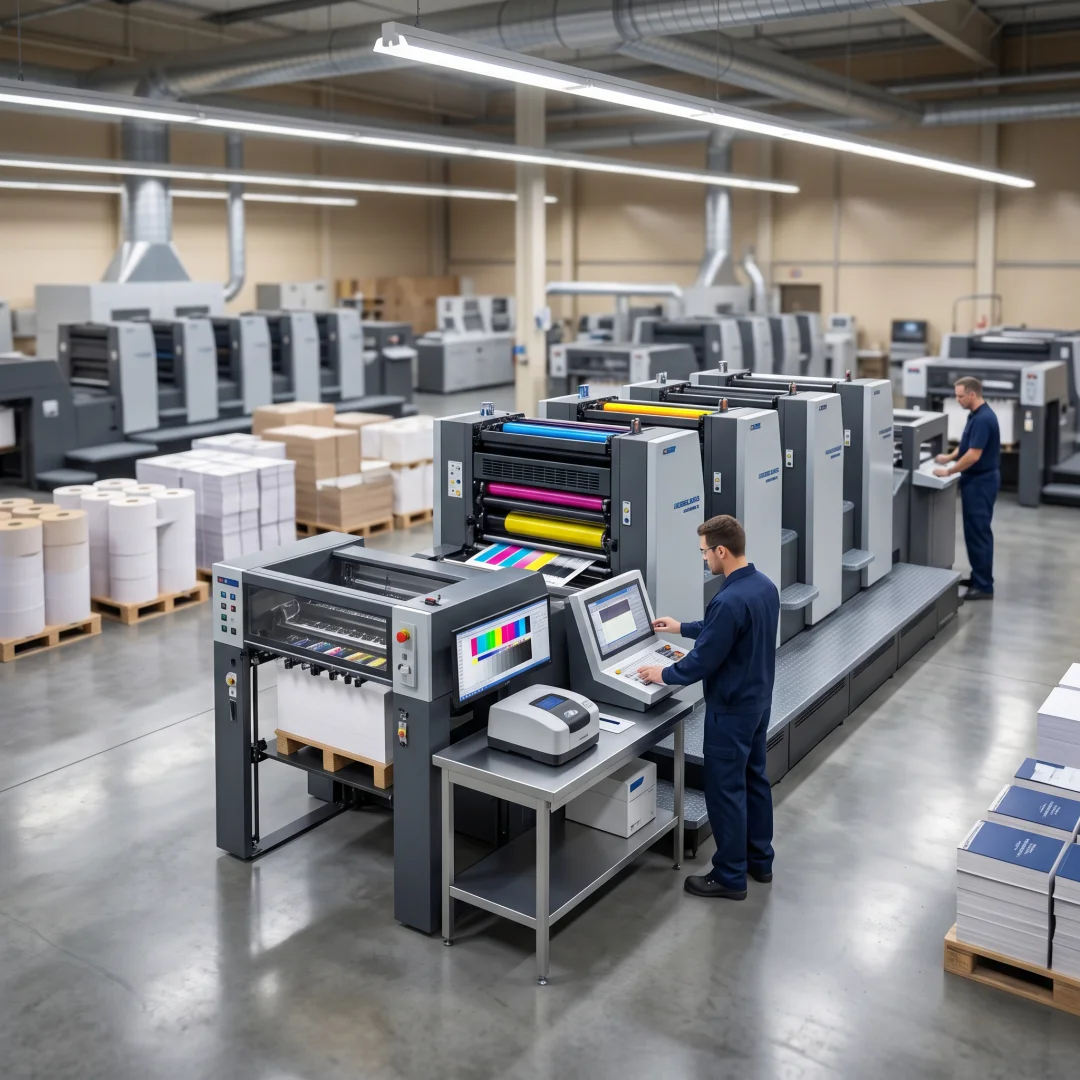
4. Offset Printing Sample An offset printing sample is a physical sample produced using traditional offset printing technology. It provides the most accurate representation of the final bulk-printed product in terms of paper, ink, and finishing.
Key features:
Reference samples available free of charge for common paper and binding configurations Custom samples available for a nominal fee–produces actual signature(s) from the print run True offset paper and ink behavior, including dot gain and ink trapping Required for projects where clients need to approve the exact printing method before full production Offset samples are essential when the project involves specialty papers, complex bindings, or Pantone spot colors. They provide the highest confidence level before large-volume production.
5. Dummy A dummy–also called a mockup or structural proof–is a blank structural model of the final printed piece. It demonstrates the physical dimensions, paper weight, binding method, and overall feel of the product without including actual printed content.
Key features:
Helps evaluate paper weight, thickness, and stiffness Demonstrates binding options: perfect binding, saddle stitching, spiral, hardcover, etc. Assesses page count and spine width calculations Used primarily for structural and tactile decisions rather than content review Dummies are particularly valuable for book projects where the client wants to feel the physical product before approving artwork. They eliminate surprises in the final delivered product.
How to Choose the Right Proofing for Your Project With multiple proofing options available, selecting the right one depends on your project type, timeline, budget, and quality requirements. Below is a decision matrix and checklist to guide your choice.
Decision Matrix: Proofing Type by Project Type Project Type Recommended Proofing Why Business cards, flyers, brochures PDF Proof + Hard Proof Fast turnaround + color-critical accuracy Full-color coffee table books Hard Proof + Offset Sample Highest color accuracy requirement Short-run digital books PDF Proof + Digital Sample Speed + cost efficiency Packaging prototypes Hard Proof + Dummy Tactile evaluation + structural validation Corporate identity kits Hard Proof (full package) Brand consistency across all materials
5-Question Checklist Before Approving Is color accuracy critical to my project? If yes – Hard Proof or Offset Sample.Do I need to evaluate paper texture and weight? If yes – Dummy + Hard Proof.What is my timeline? If under 48 hours – PDF Proof + Digital Sample.Is this a high-volume print run? If yes – Invest in Offset Sample to avoid costly reprints.Do I need buy-in from multiple stakeholders? If yes – Use PDF Proof for easy sharing and collaborative review.Benefits of Professional Proofing Services Professional proofing services offer far more than just sample production. They serve as a quality control checkpoint that protects every aspect of your print project.
1. Risk Mitigation Proofing significantly reduces the risk of expensive reprints, production delays, and brand damage. By catching errors early–when changes are inexpensive–you avoid costly corrections after a print run has started.
2. Brand Consistency Consistent color and quality across all printed materials reinforces brand trust and professionalism. Professional proofing ensures that every piece–from business cards to catalogs–reflects your brand’s standards.
3. Supply Chain Confidence When you approve a physical proof, you gain confidence in the entire supply chain–>from file preparation to final delivery. You know exactly what to expect, which reduces anxiety and improves client satisfaction.
Conclusion Proofing is not an optional step–it is a critical investment in the success of your print project. By understanding the five main proofing methods and choosing the right one for your specific needs, you can avoid costly mistakes, ensure brand consistency, and achieve the high-quality results you expect.
At EcoPrinting, we offer a comprehensive range of proofing options to suit every project type, timeline, and budget. Contact us today to discuss your proofing needs and get a personalized quote for your next print project.